
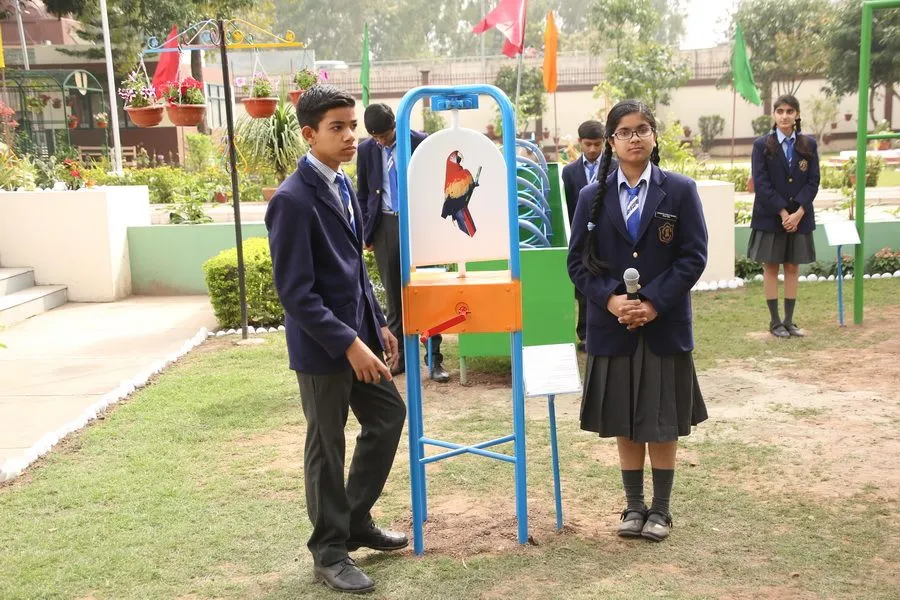
In the current educational landscape, schools continuously seek creative methods to make learning more captivating and impactful. A Science Park represents one of the most valuable investments a school can make. It combines recreation with scientific education, allowing students to grasp concepts through practical demonstrations. Here’s why establishing a Science Park is a wise, forward-thinking choice for any educational institution:
Enhances Learning Through Hands-On Experience
Contemporary education focuses on experiential learning, and Science Parks are designed precisely for this purpose. Students can test theories, observe phenomena, and comprehend scientific concepts—going well beyond what traditional textbooks can provide. This approach strengthens retention and elevates academic achievement.
Increases Student Curiosity and Engagement
A Science Park naturally draws students and inspires them to investigate. The interactive installations encourage young learners to pose questions and uncover solutions independently. This inquiry-based approach builds solid fundamental understanding in scientific subjects.
Improves Critical Thinking & Problem-Solving Skills
When students engage with authentic scientific demonstrations, they cultivate vital modern-day capabilities. Science Parks assist children in learning to examine, test, and draw conclusions—reinforcing analytical thinking and problem-solving competencies.
Adds Value to the School Infrastructure
A thoughtfully planned Science Park not only enhances learning but also brings significant worth to your educational facility. It serves as a distinctive advantage for parents, boosting your school’s standing for delivering innovative, activity-centered education.
Supports Inclusive & Multisensory Learning

Science Parks accommodate various learners, including students with different learning preferences and special requirements. The sensory-rich, user-friendly equipment guarantees that every student can engage, making your institution more welcoming and student-centered.
Boosts Admissions & School Reputation
Parents look for modern infrastructure and want schools that embrace innovation. Interactive learning areas—science parks, STEM labs, VR zones, play areas—become strong USPs that attract new admissions and build trust.
Supports NEP 2020 Guidelines
Schools are moving towards experiential, skill-based, and multidisciplinary learning. Interactive tools help implement NEP with ease, enabling hands-on exploration, problem-solving, and real-world applications.
Conclusion
Establishing a Science Park at your school represents an investment in enhanced learning, greater participation, and improved outcomes for students. It converts your outdoor areas into a dynamic educational setting where science becomes enjoyable, applicable, and inspiring.

